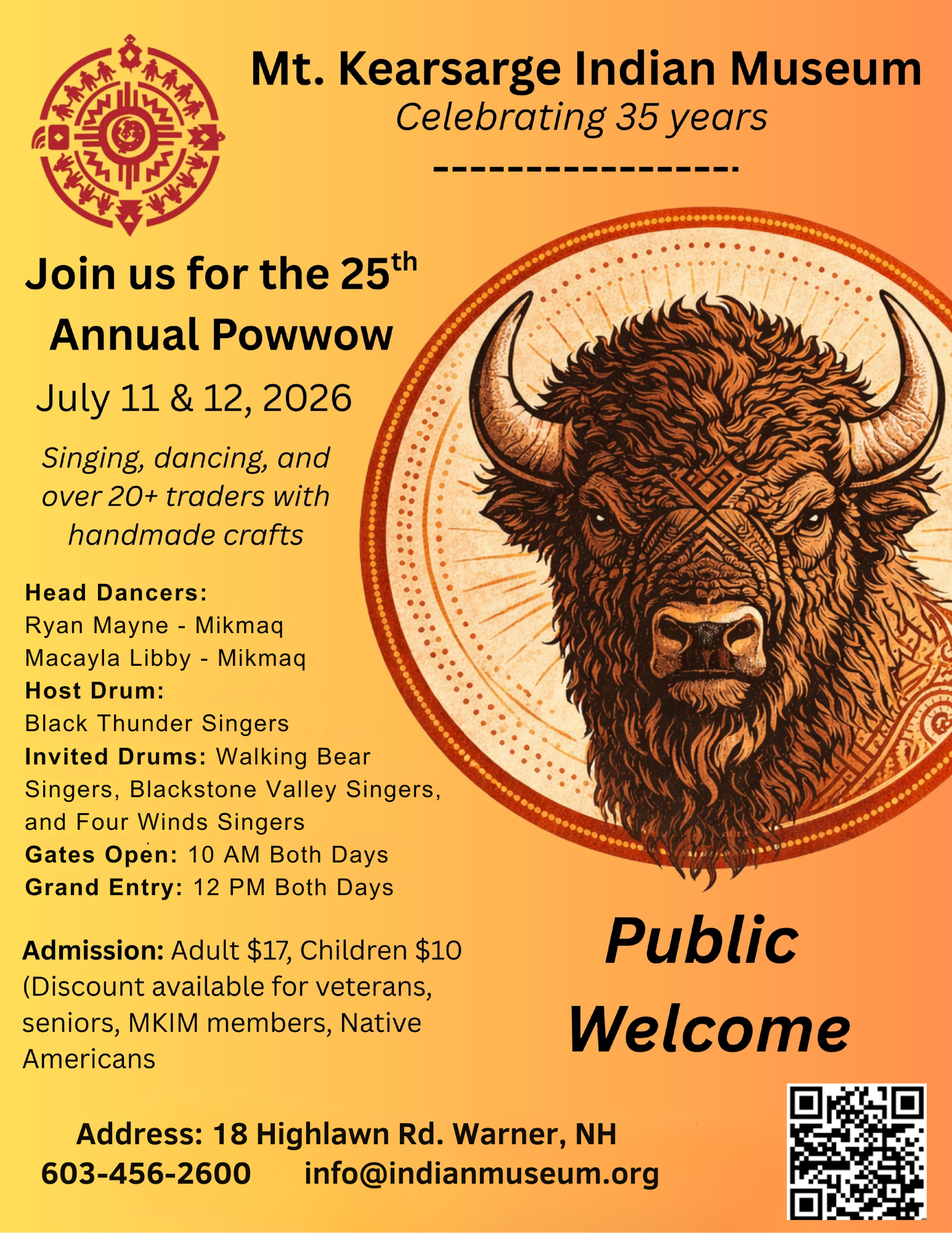
What are some highlights we can expect at this year’s Powwow?
In addition to the vibrant dancing, drumming, and cultural celebrations of our 25th Annual Intertribal Powwow, visitors can enjoy two unique events that showcase creativity, humor, and Indigenous artistry. During Saturday's drum break, don't miss the Big Auntie Earring Contest, a joyful celebration of bold style and bigger personalities. Participants are invited to show off their most dazzling, dramatic, and eye-catching earrings for a chance to win prizes—and plenty of laughs and applause along the way. Whether they sparkle, sway, bead, or feather, these statement pieces embody the spirit of "Big Auntie Energy."
Following the community feast on Saturday evening, join us for the Adornments That Adapt Reception, celebrating our seasonal exhibition of traditional and contemporary Native American beadwork and quillwork. This special gathering offers an opportunity to meet featured artists, view remarkable works up close, and explore how these living art forms continue to carry cultural knowledge, identity, innovation, and personal expression across generations. Guests will enjoy light refreshments, artist remarks, and the chance to engage directly with makers from our museum community.

Powwow!
What is a Powwow?
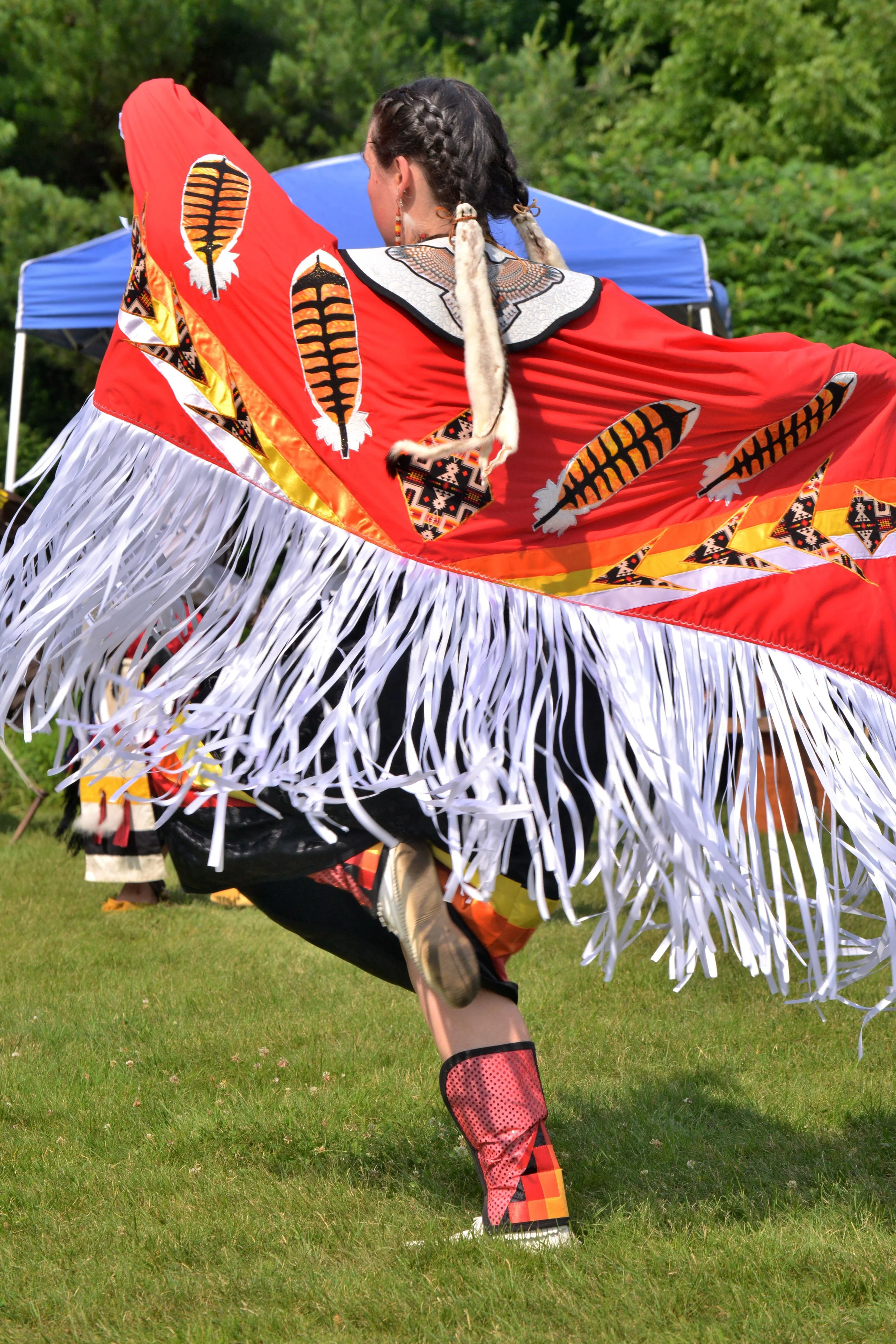
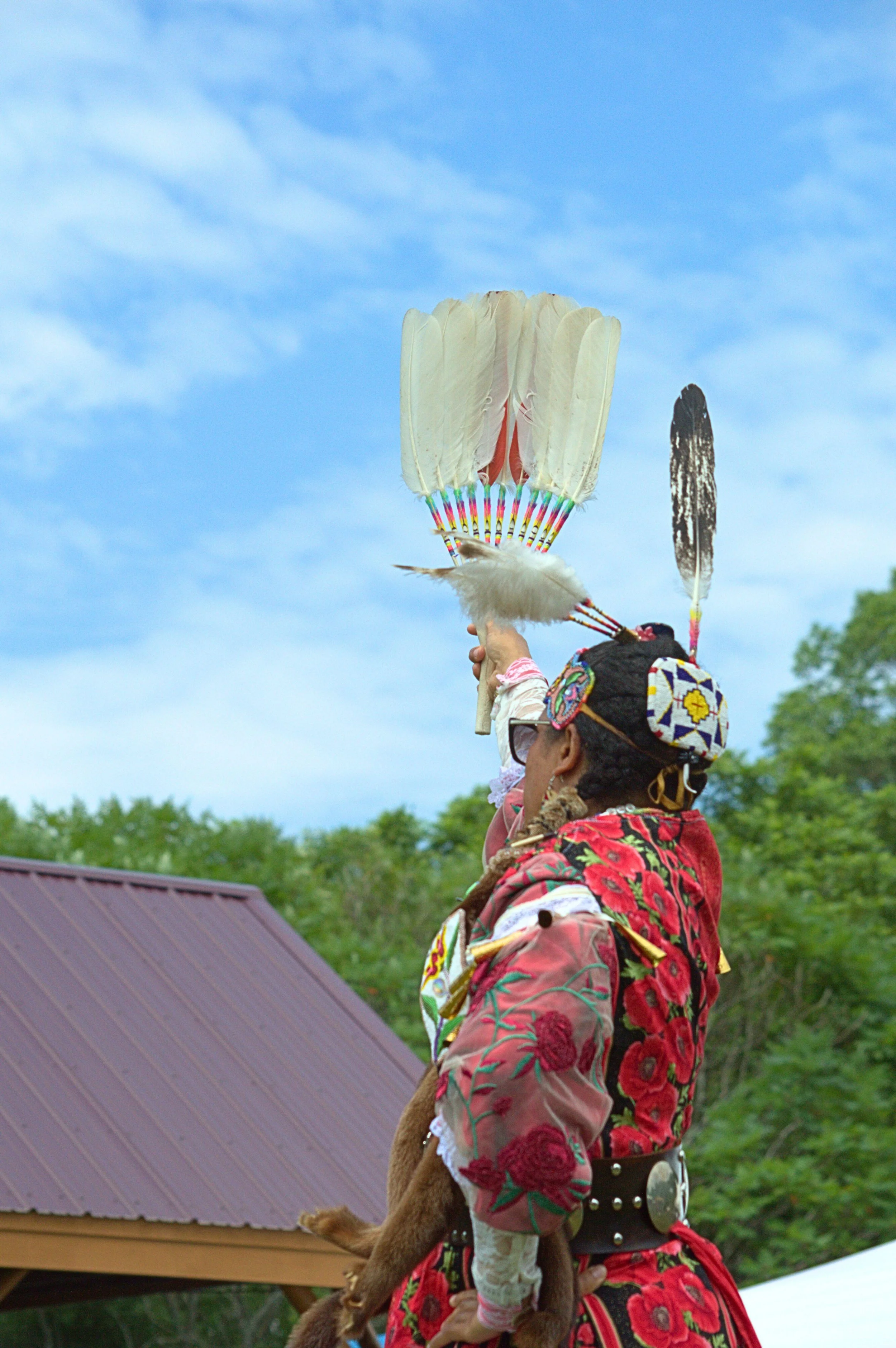
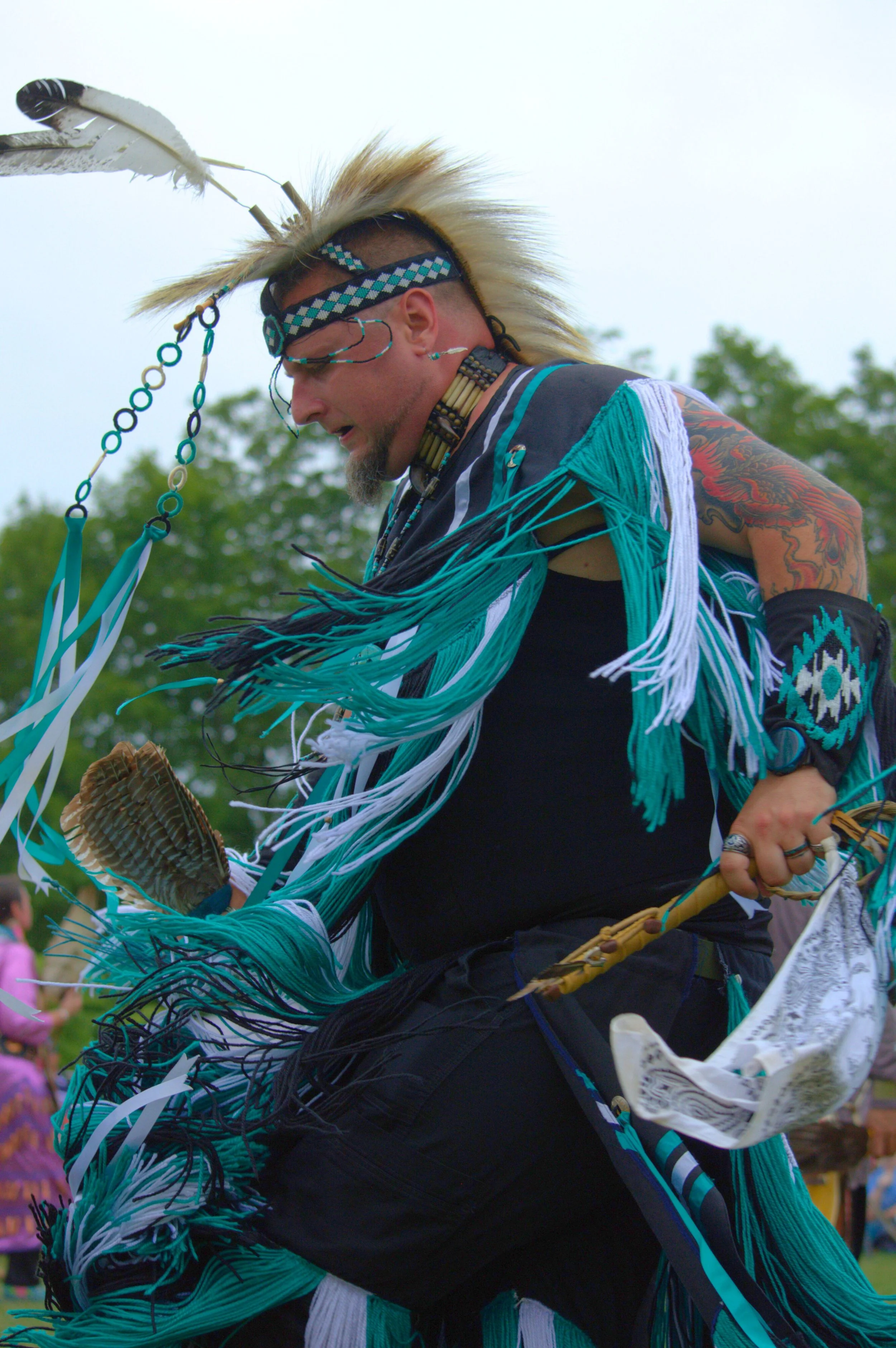
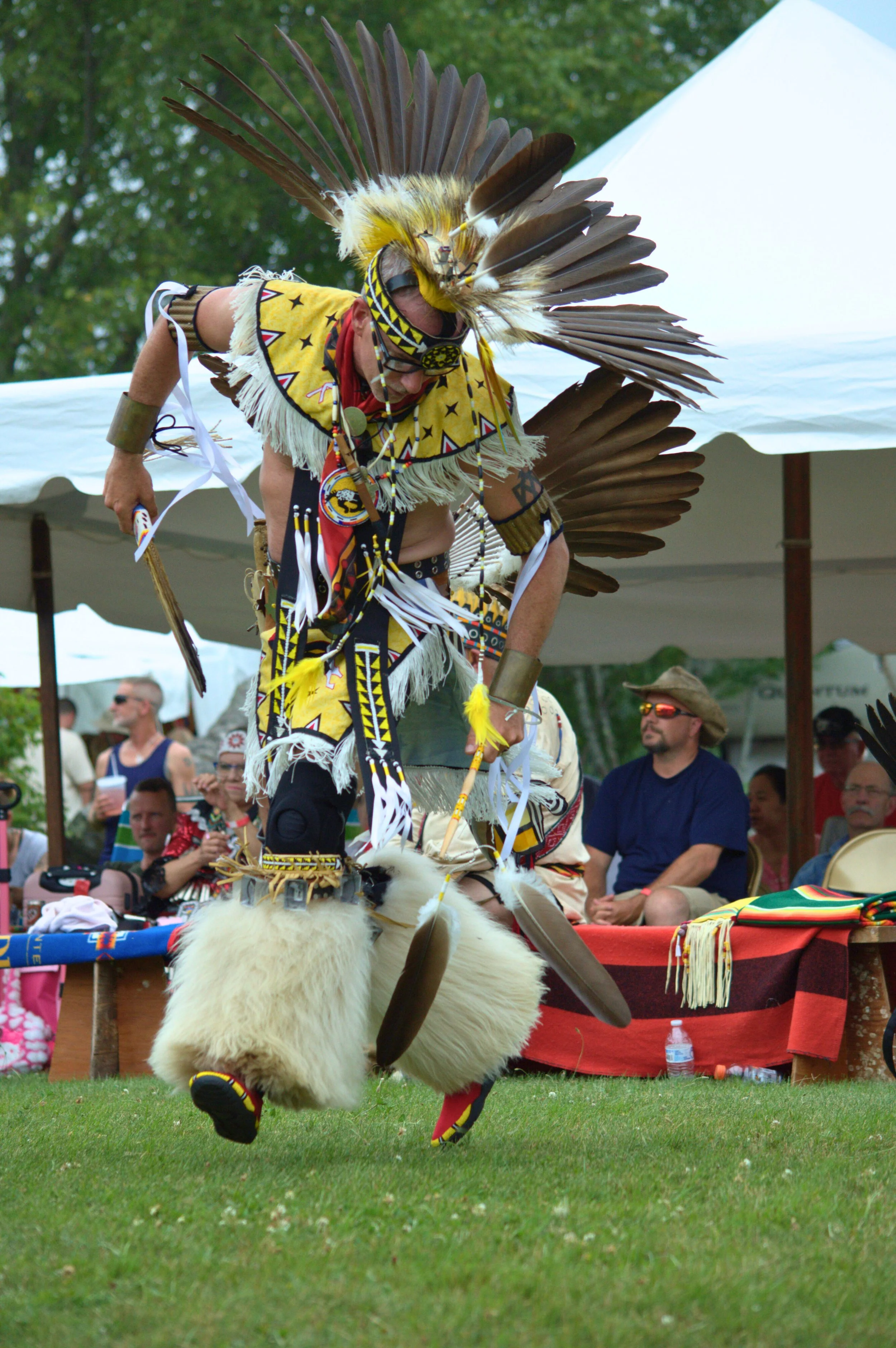
Powwows (also spelled Pow Wows) are Native gatherings to celebrate Indigenous communities. These family-friendly events include traditional dance, music, arts, and storytelling . Powwows begin with a Grand Entry, followed by Flag Song and Veterans Songs. The MC explains the significance of songs and the protocols, and instructs the participants throughout the celebration. Specialty dances often include Jingle Dance, Fancy Dance, Traditional Dance, and Fancy Shawl Dance. There are opportunities for the public to participate in some dances. Powwows enable participants to renew acquaintances and make new friendships. Vendors display a variety of work including pottery, beadwork, basketry, books and jewelry.
Why is this a culturally important event?
Traditional skills aren't taught formally. Rather, youth learn by participating, emulating elders, and listening to the wisdom of storytellers. Powwows enable Native people to educate the public and share their views on environmental issues, history and spiritual practices. Oral traditions continue to be important, and Powwows encourage the continuation of those experiences. The State of New Hampshire doesn't recognize any Indigenous tribes. There are no Federal Indian reservations in the state. Without a land-base and recognition, Powwows like those at Mt. Kearsarge Indian Museum provide gathering spaces for Native people to continue to dance, share ideas, and educate the public.
How has the MKIM Powwow been celebrated?
Powwows can be found across North America. Mt Kearsarge Indian Museum was founded in 1991. This year, the museum will celebrate our 25th Annual Powwow (as well as the museum’s 35th Anniversary overall!) The event has grown over the years. The first few Powwows had a handful of participants and perhaps one hundred spectators. Over the last 25 years, the Powwow has evolved into one of the larger celebrations in New England. As word has spread, visitor attendance has increased to approximately 3,000 per year.
The 2025 Pow Wow was a resounding success. Our dedicated Powwow committee spends the whole year planning each detail. The dance arbor was beautifully detailed, and the grounds were lush. In addition to a dozen returning vendors, we were able to attract several new vendors with wares including jewelry, textiles, and botanicals. Some of our long-time participants from Canada elected not to travel this year. We hope they will be joining us again in the near future.
Over the weekend, about 2,000 guests visited. We attracted more than 250 participants including singers, dancers, artists, historians and wisdom-holders. We have an active committee of 25 people who are already busy at work on next year's festivities.. We have a very active group of more than 50 volunteers who mow, direct traffic, move benches, haul water, drive golf carts and more.

Please email info@indianmuseum.org with any questions.